How to Prevent COVID-19 in Your Newborn
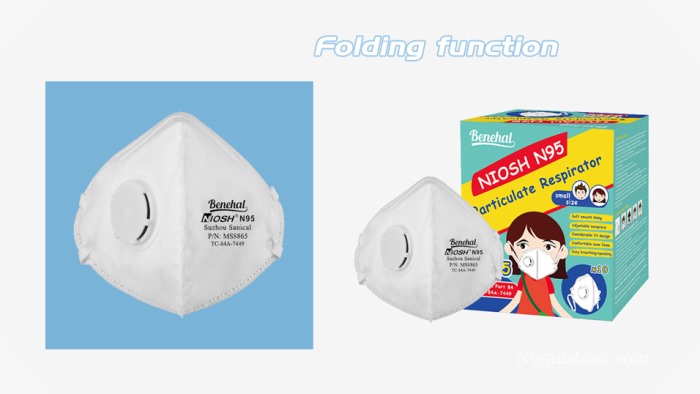
Children and infants are particularly vulnerable to the effects of the COVID-19 virus. COVID-19 is most commonly transmitted to infants and young children from infected pets or people. Here are some steps you can take right now to protect your infant from this potentially fatal illness. Can you explain the effects of COVID-19 on young people? This infection poses a significant threat to children under the age of 5, data by 3M N95 mask child size, see best children's N95 mask, just see N95 children's face mask, as it has been linked to cases of pneumonia, gastrointestinal illness, and even death. A child's cough or sneeze can spread the virus even if they appear to be in good health. An impaired immune system is required for infection to occur in a child. Protecting your child from illness is easiest if he or she has been immunized. If parents notice anything out of the ordinary with their child's health, they should make an appointment with the pediatrician. If the condition is recognized and treated in its early stages, the child may recover with no lasting effects. If you suspect a child has COVID-19, you should get in touch with your community's health department right away. In addition to halting the disease's spread, they will see to infection control. What should you do if your sick child has COVID-19? Protect your child from COVID-19 with a flu shot right away. The vaccination will help protect them from a potentially fatal disease. Keep an eye on their temperature and don't be afraid to call an emergency doctor if they show any unusual symptoms if they have a history of illness. In the event that your child displays signs of illness, try not to panic. It's probably just a cold virus that they're fighting off. Take the necessary precautions, such as frequently washing your hands and avoiding contact with people who appear to be ill. Can children under the age of 5 get the COVID-19 vaccine? Children younger than 5 years old cannot receive the COVID-19 vaccine at this time. As soon as possible after turning 5, children should get vaccinated due to the increased risk of illness. It is recommended by the Centers for Disease Control and Prevention (CDC) that girls get their first injection between the ages of 11 and 13, before they begin to experience puberty. If you are concerned that your child may have been exposed to COVID-19, you should contact a doctor immediately. If you need to get a shot or if there's a chance you could get sick again, they'll let you know. Caretakers of those with respiratory issues, such as asthma or emphysema, and those who work with those who have CVID-9 are at a heightened risk. Is there a list of symptoms a child might exhibit if they have COVID-19? If your child is showing signs of exhaustion or illness, it's possible that he or she has contracted COVID-19. If your baby hasn't started interacting with toys like other children his or her age, you should take him or her to the doctor right away. Those who contract COVID-19 often don't start talking until they're older toddlers or preschoolers, and even then, their vocabulary is severely limited for years. For parents whose children aren't quite at the right developmental stage for talking, this can be maddening. Child protective face masks against the COVID-19 virus.

There are numerous options for face masks available for purchase on the web, but if you're looking for something particularly secure, it's best to do some research first. Find a mask that is comfortable and a good fit for your child's face. The mask needs to cover the mouth and nose, but still allow the wearer's eyes to see clearly, and it should rest snugly under the chin. There can be no gaps between the frame and the face. Don't touch it once you've put it on, and wash your hands thoroughly before and after wearing it. The mask should be removed from the back when you get home to avoid touching the front of your face. Please keep in mind that you should not eat or drink while wearing a face mask. Be sure the mask isn't too tight around the child's neck or they could suffocate.
Children and infants are particularly vulnerable to the risks posed by COVID-19. Infected humans or pets are the most common source of COVID-19 infection in young children. Here are some preventative measures you can take to ensure your baby does not contract this potentially fatal illness. Is there any harm that COVID-19 causes to children? Children younger than 5 are particularly vulnerable to this infection, which can cause pneumonia and consumption and even prove fatal. They will deal with preventing the spread of the disease and controlling the spread of infections. How should you handle a sick child infected with COVID-19? Your child should get an influenza shot as soon as possible if you want to protect them from COVID-19. Call your doctor immediately if you have concerns that your child may have been exposed to COVID-19.

Comments
Post a Comment